Dr Rebecca Saunders founded DISH in 2025.
Her writing and research investigates the impact of technologies on sexual culture.
Some writing, speaking and public art projects related to the objectives of DISH are listed below.
Dr Saunders holds first class degrees from the Universities of St Andrews and King’s College London and completed her PhD on the data economies of porn platforms in King’s Digital Humanities Department.
She is based at Cardiff University, UK, where she directs the Digital Media+Society Masters programme.

Speaking and Exhibitions


How to Queer Your Sexual Data in the Sex-Tech Industry.
King’s College London. 2026.
The Art of Consent: Effective Consent Education in the UK Higher Education sector
Manchester. 2026.

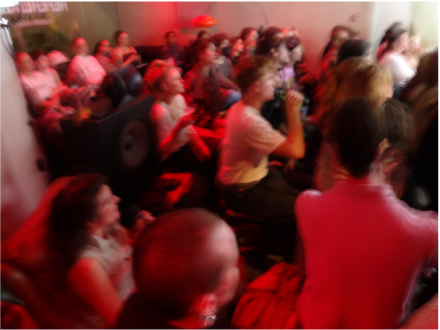

Sex + Work + Art + Porn.
Porno Chic, Reference Point. London. 2025.
Images by @sabrina_angelina.png IG<3
Data Cultures and Desire.
Graz, Austria. 2024.

Re-Embodiment in the Sex-Tech Age.
A Data Drawing Workshop
Brunel, London. 2024.

Monstrosity and Masculinity in Contemporary Pornography.
Falmouth. 2021.


Heteronormativity as platform infrastructures:
the case of porn platforms.
Helsinki, Finland. 2019.
Sex Robots.
Exeter. 2021.
Sex Robots and AI Gods art exhibition, curator Dr Rebecca Saunders.
Ars Electronica, Art and Technology Festival.
The Art of Imperfection. Linz Austria, 2018.


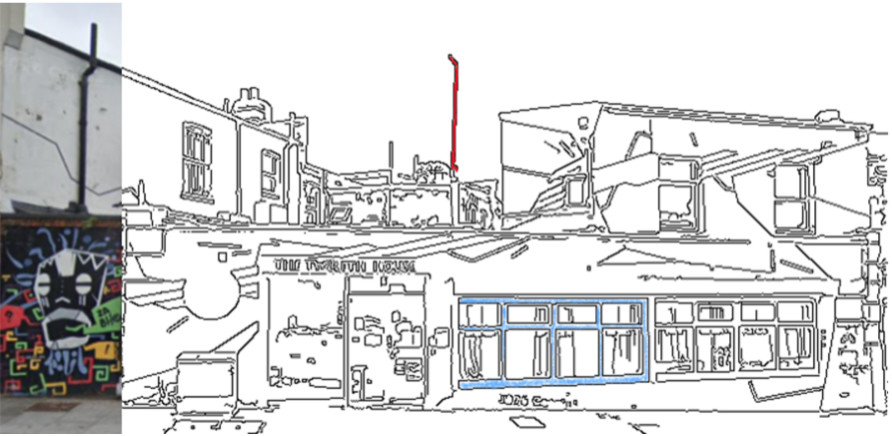
F*?! the Digital. Curator Rebecca Saunders.
Low Community Studios. London. 2019.
Podcasts

Is AI good for your relationship?
The Good Sex Podcast. 2026.
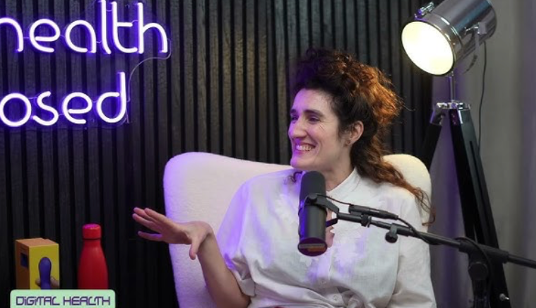
Should you be tracking your sex life?
Digital Health Diagnosed with Dr Rachael Kent. 2024.
How do porn platforms use your attention?
With host Justin Hancock, 2021.
Maia Wyman and Hannah Raine discuss porn star Sasha Grey and
Dr Rebecca Saunders’ analysis of her cultural significance, 2024.
Writing
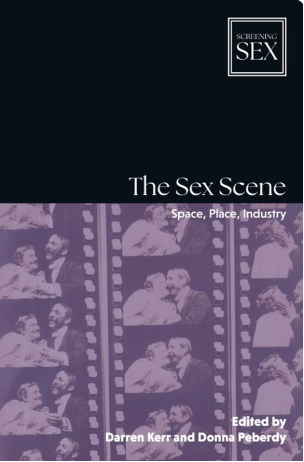
Sex on the Very Small Screen
Data culture and Sexual Consent Apps
Big Data on Pornhub Insights: Datafication and the Making of a New Sexual Culture
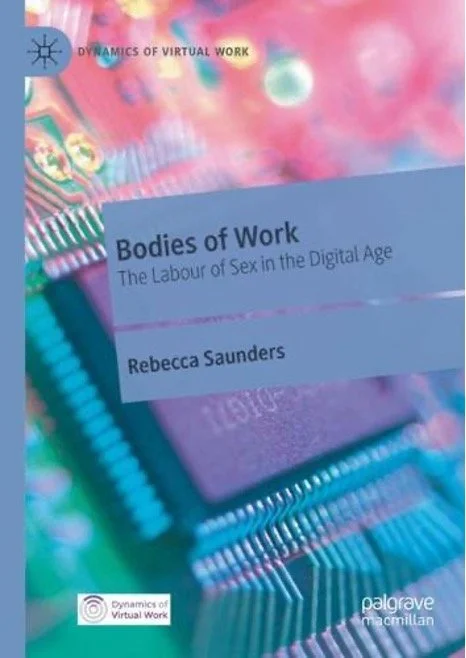
Bodies of Work: The Labour of Sex in the Digital Age
How - and why - do porn platforms make sex into such hard work?
This book investigates the impact of digital capitalism on how porn performers and porn consumers have and think about sex. The economies of data and attention which govern porn platforms have very real, material effects on performers’ working lives, and on consumers’ ideas of what ‘good’ sex is.
The book takes case studies from mainstream heteronormative pornography, violent porn, ‘feminist’ porn, and queer and trans pornography. It analyses how specific aesthetic trends in pornography emerge in tandem with economic forces and asks what we can do to recover sex and the body from digital capitalism.
Sex Tracking Apps
and Sexual Self-Care
Sex-tech, sexual data,
and materiality
Algorithms for Her?
Feminist Language Claims to Technical Language
Sexual Datafication

Here Be Monsters:
Monster Porn and the Crisis of Masculinity
Computer-generated pornography:
Animation as digital desire
Grey, Gonzo and the Grotesque:
the legacy of porn star Sasha Grey

“Open wide and say ‘aah’ ”: the Body and the Medical Authority of Pornography